Mind Zoom

The self help pc tool

วันเสาร์ที่ 31 ตุลาคม พ.ศ. 2563

What Is Diabetes?


In today's epidemic, it is important to know exactly what diabetes is. why? Well, this is about preventing you from developing diabetes!

Get FREE access to the documentary here

Simply put, diabetes is a condition in which the body cannot process sugar normally. When we eat and drink water, the pancreas produces a hormone called insulin. Insulin is released into the blood and helps control the amount of glucose (sugar) in the blood. Diabetes is a condition in which this process cannot proceed normally.


Diabetes occurs because the patient does not produce insulin (usually called type 1 diabetes) and the patient must use insulin injections or the body is resistant to insulin due to insulin production. .. This will disable insulin. This is commonly referred to as type 2 diabetes and is becoming more common.


The danger is that diabetes is not immediately life-threatening, but the long-term effects of hyperglycemia can be detrimental to your health. Uncontrolled diabetes and long-term hyperglycemic levels can cause problems in many organs of older patients, including the kidneys, eyes, nerves, and heart.


It may sound dark, but it can control the blood ...

วันศุกร์ที่ 30 ตุลาคม พ.ศ. 2563

What Is Diabetes Mellitus?


Over the last two decades, the number of diabetics worldwide has skyrocketed from 30 million to 230 million, killing millions and seriously disrupting the ability of healthcare systems to respond to this epidemic. I am. International Diabetes Federation.


What is diabetes?

Get FREE access to the documentary here

Diabetes is a disease in which the human body cannot properly store and use fuel for energy. The fuel needed by the human body is called glucose, which is sugar. Glucose comes from foods such as bread, grains, pasta, rice, potatoes, fruits, and some vegetables. Your body needs insulin to use glucose. Insulin is made by glands in the body called the pancreas. There are three types of diabetes: type 1, type 2, and gestational diabetes. Diabetes during pregnancy occurs only during pregnancy.


Types of diabetes


Diabetes is a heterogeneous clinical disorder with multiple causes. There are two main categories of diabetes, idiopathic and secondary.


There are two main types of idiopathic diabetes. Insulin-dependent and non-insulin-dependent. Insulin-dependent diabetes mellitus, IDDM (Type 1) ...

วันพฤหัสบดีที่ 29 ตุลาคม พ.ศ. 2563

What You Must Know About Diabetes


Diabetes is a disease in which the pancreas produces little insulin. 

Insulin is a hormone that helps human tissues absorb glucose (sugar), so it can be used as a source of energy. This can also occur when muscle, fat, and liver cells are not responding properly to insulin. In people with diabetes, glucose levels in the blood and urine increase, leading to excessive urination, thirst, hunger, and problems with fat and protein metabolism. Diabetes is different from rare diabetes insipidus caused by a lack of the hormone vasopressin, which controls the amount of urine produced.

Get FREE access to the documentary here

Diabetes is most common among adults over the age of 45, people who are overweight or inactive, have immediate family members of diabetes, and are of African descent, Hispanic descent, and Native American descent. Native Americans have the highest rates of diabetes in the world. Women than men are diagnosed with this disease.


There are two types of diabetes. In type 1 diabetes, which usually begins in childhood, the pancreas stops producing insulin completely. It is also called insulin-dependent diabetes. Type 2 diabetes begins in adulthood (some teens) and the body still makes some insulin. However, it does not produce enough insulin or the body cannot use it normally. It is also called non-insulin-dependent diabetes.


Diabetes is detected by measuring the level of glucose in a person's blood after fasting (food intake) for about 8 hours. In some cases, doctors diagnose diabetes by using an oral glucose tolerance test, which measures your glucose level before and after consuming a certain amount of sugar. Another test for type 1 diabetes is to look for specific antibodies (proteins of the immune system that attack foreign bodies) that are only present in people with diabetes. This test can detect type 1 diabetes early and reduce the risk of complications.


When diabetes is diagnosed, treatment includes controlling the amount of glucose in the blood and preventing complications. Depending on your type of diabetes, you can achieve this through regular physical exercise, a carefully controlled diet, and medication.


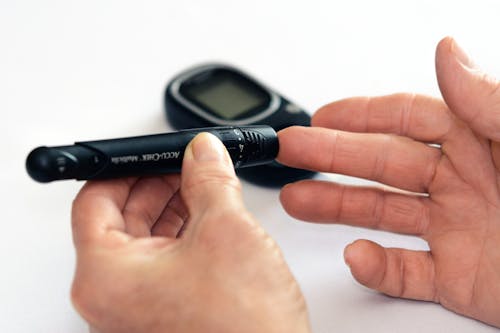
People with type 1 diabetes usually need 2-4 injections of insulin per day to supply their body with insulin, which does not produce insulin. The amount of insulin needed varies from person to person and can be influenced by factors such as a person's level of physical activity, diet, and the presence of other health disorders. Typically, people with type 1 diabetes use a meter several times a day to measure the glucose level in a drop of blood taken by a fingertip. You can then control the amount of insulin injected, exercise, or eat to keep your blood sugar at normal levels. People with type 1 diabetes should carefully adjust their diet by distributing meals and snacks throughout the day so as not to affect insulin supply to help the cells absorb glucose. They also need to eat foods that contain complex sugars, which slow down their breakdown and cause blood sugar levels to rise slowly.


For people with type 2 diabetes, treatment should start with diet, exercise, and weight loss, but over time this treatment may not be enough. People with type 2 diabetes usually work with a dietitian to develop a diet plan that controls blood sugar levels so they don't rise quickly after a meal. Recommended meals are generally low in fat (no more than 30% of total calories), provide medium-level protein (10 to 20% of total calories), and contain a variety of carbohydrates such as beans, vegetables, and grains. . Regular exercise helps your body's cells absorb glucose, even if it is effective to exercise for 10 minutes a day. Diet control and exercise can also affect weight loss, which appears to partially reverse the body's inability to use insulin.

วันพุธที่ 28 ตุลาคม พ.ศ. 2563

Where to get diabetes supplies

Diabetes has gradually spread to about 11 million Americans with diabetes and 7 million Americans who realize they have diabetes. Millions of Americans at the pre-diabetes stage and dizzyingly diabetic Americans.

Get FREE access to the documentary here

If a person with diabetes knows how to manage their diabetes and has sufficient financial capacity to support the drugs and other supplies they need, they are more likely to survive.


Although not a strong risk factor, the development of type 1 diabetes is generally genetically dependent. Obesity and age are risk factors for type 2 diabetes. However, if you are obese, regardless of age, and have a history of gestational diabetes, it is best to check if you have diabetes by asking one or two parents if they have type 2 diabetes or high blood pressure.


Type 1 diabetes is commonly found in children, while type 1.5 diabetes is the name of diabetes found in adults. Compared to a malignant attack on β cells in children with type 1 diabetes, adults with type 1.5 diabetes are characterized by a slower attack on β cells. In type 2 diabetes, human insulin cannot control blood sugar levels.


There are several ways to test for diabetes, including a glucose test that measures blood sugar levels and an oral glucose test. It is best to perform a glucose test after fasting for at least 12 hours.


A major concern for diabetics is how to control blood sugar levels in a way that reduces diabetes-related complications. Therefore, diabetics should always monitor their blood sugar levels. Controlling your blood sugar levels means choosing the type of food to eat and taking the right medication.


Whether staying at home or traveling, those looking to manage diabetes should have all the supplies they need. Diabetics should always ensure that their insulin supply is not affected by extreme temperature changes. Diabetics are also more susceptible to foot problems, so comfortable socks should be used to take care of their feet.


Other important supplies for diabetics include blood sugar monitors, blood pressure monitors, glucose tablets, and gels.


If you have diabetes, take a supplement wherever you are. Also, in case of an emergency, it will notify roommates or office workers in the store who may be able to purchase these items. Always look for stores that sell supplies for diabetics near your home or office, or near your favorite places. And if you have to travel, bring more because you don't know what will happen. Also, check to see if there is a store selling the items you need in the place where you want to go.

วันอังคารที่ 27 ตุลาคม พ.ศ. 2563

Who is your cause?

Every 21 seconds someone is diagnosed with diabetes. There is a new reason to walk every 21 seconds. Who Are You The American Diabetes Association (ADA) has unveiled a new theme aimed at forecasting the prevalence of diabetes? The message of "21 Seconds" is the theme of America's National Diabetes Tour. Every 21 seconds, you hear the sound of a horn or drum distributed to the participants with a white and red headscarf. This refers to someone else who has been diagnosed with diabetes in the country. At the end of the event, several headscarves provide a powerful visual effect on the destruction of American diabetes.

Get FREE access to the documentary here

DiabetesWalk in the United States is the ADA's iconic walking activity and aims to raise funds for diabetes research, education, and publicity. This important event brought together friends, family, and coworkers for a six-mile walk from across the country. Diabetes affects 21 million children and adults across the country, and 41 million are at risk of developing diabetes. The ADA is committed to preventing and treating diabetes and improving the lives of all people affected by the disease.


Diabetes is the 5th leading cause of death in the United States. The current trend is that one-third of Americans born in 2000 and half of ethnic minorities will have lifelong diabetes. To date, the American Diabetes Association has raised and donated more than $300 million for diabetes research.


EqualSweetener, a national sponsor of the ADA American DiabetesLine. Equal and other national corporate sponsors, Cary Sugar-Free Syrup, DietRite, and KmartPharmacy are working jointly to provide diabetes awareness, education, and solutions to diabetics.

วันจันทร์ที่ 26 ตุลาคม พ.ศ. 2563

Women, Diabetes and Polycystic Ovary Syndrome: How Exercise Helps


Women, Diabetes and Polycystic Ovary Syndrome: How Exercise Helps


In many cases, it is a syndrome that cannot be diagnosed for polycystic ovary syndrome, which increases the risk of developing type 2 diabetes in some women. Polycystic ovary syndrome (PCOS) affects 6-10% of women of childbearing age. One of the symptoms of PCOS is usually excessive weight gain, which increases with the abdomen. Part of reducing the risk of type 2 diabetes in women with PCOS includes an increase in insulin sensitivity.

Get FREE access to the documentary here

If you have irregular or irregular menstruation, acne, excessive body or whiskers, and other symptoms, you may have PCOS. PCOS can lead to hormonal imbalances and cause these types of symptoms. Recognize pseudo-syndrome, manage your condition, and guide you through appropriate treatments to prevent future complications such as heart disease, infertility, endometrial cancer, and diabetes.


PCOS women should have a healthy diet and exercise regularly every week. Maintaining a healthy weight and losing excess weight can help prevent cardiovascular disease or diabetes, as well as alleviate PCOS-related symptoms.


Some women do not lose weight even if they are on a healthy diet by increasing their physical activity. Does this woman still benefit? Research has shown that exercise is good for your health, regardless of its effect on your weight. Exercise affects how your body metabolizes carbohydrates (glucose) and improves insulin sensitivity. These all help prevent the development of diabetes. When our body's sensitivity to insulin decreases, the pancreas increases insulin production to make up for it. By exercising and improving your body's sensitivity to insulin, your pancreas can help prevent overtime.


Losing weight is not only good for your health, but it also affects your energy and self-esteem. This is especially important for women. Even if exercise can't help you lose weight in the short term, it's still useful for your health. Talk to your doctor before starting an exercise program. They may have suggestions to initiate the procedure or they may not be able to provide warnings based on your personal medical history.


There are several ways to start an exercise program. The important thing is to find a way that works for you. You can choose to ride a stationary bike, swim, walk or dance.


Walking is a great way to start exercising regularly. Women who walk every day reported feeling better, better sleep, and less fluctuating mood. Bring high-quality sneakers to start your walking plan. Your local running store can give you information about the style of shoes that are best for you. At first you don't have to worry about speed and walking time. Slow walking is also good for your health, and your physical strength will increase, so you can lengthen the walking time. Let's start slowly. Studies have shown that walking slower is good for your health. If you continue the steps, the durability gradually improves, sometimes you can increase the walking distance. An outstanding goal is a 30-minute walk per day.

วันอาทิตย์ที่ 25 ตุลาคม พ.ศ. 2563

5 Diabetes Travel Tips


Planning during your trip can reduce stress. This is especially important for diabetics. These five diabetes journey secrets are simple to implement and essential to diabetes management. This is especially important when traveling abroad.

Get FREE access to the documentary here

1) Check before you travel. Check your A1C blood sugar. There are no problems with blood pressure and cholesterol levels. Get a picture suitable for the country/region you are going to visit.


2) Wear a diabetes certificate. Ideally, you should speak the language of the country you are visiting. No one is speaking your language, you don't want a misunderstanding medical problem.


3) Take medication and glucose snacks. Unfortunately, checked luggage became lost. To avoid the risk, do not pack your diabetes pills in the main bag.


4) Put the medicine in its original box and label it with the pharmacy. This will help prevent misunderstandings about why you use insulin with your medication (if you use insulin).


5) Pay attention to the time zone change, especially if you want to change the clock. Don't forget that traveling east will shorten the day, and traveling west will make the day longer. You may need to change the dosing time.


Travel doesn't have to cause trauma. A smart attitude and a little planning before the trip can make things a lot smoother.

วันเสาร์ที่ 24 ตุลาคม พ.ศ. 2563

7 Diabetic Foot Care Tips


If you have diabetes, information on how to manage your condition is essential to your health.

Get FREE access to the documentary here

If you don't pay attention to your legs, you run the risk of pain or infection, and in the worst case, it can lead to amputation. Like my father-in-law. The following seven-foot techniques can be combined to reduce the risk of infection or amputation.


1) Check your feet every day-especially if you have low sensitivity or numbness in your legs. Pain, cuts, and abrasions can cause problems leading to liver and amputation.


2) Do not walk barefoot even indoors. It is easy to step on your feet or stab them with your toes. Protecting your legs in socks/stockings

Shoes/slippers.


3) Please be careful if you have corn and calluses. Talk to your doctor or podiatrist for the best treatment.


4) Wash your feet in warm water every day. Also, do not get your feet wet (even if you are standing all day). The skin is dry and can cause cracks or pain.


5) Pay particular attention to completely dry your legs, especially between your toes. These are nature's home dehumidifiers-moisture or humidity that can cause a variety of problems.


6) Regularly move your legs and feet. You can rotate your ankles while sitting. Twist your toes and move your legs up and down. This helps improve your blood circulation and minimize your risk of leg disease.


7) Examination of the leg by a specialist at least once a year for signs of foot sensitivity problems. This can usually be adjusted when checking your AC1 levels (blood glucose level within 3 months), blood pressure, and cholesterol every year.


Take care of your legs often. Let's help from relatives or experts. If you can't bend when you are trimming your nails and checking for pain, ask your doctor, diabetes nurse, or podiatrist. Taking these simple steps, you can reduce the risk of painful problems.

5 Ways to Manage Your Diabetes Meal


Since I was diagnosed with diabetes at the age of 11, my diet has changed dramatically. I am currently using a good diet plan to maintain a healthy weight. If you have a weight loss plan as well as a stone, talk with your doctor to get hints about the risks.

Get FREE access to the documentary here
https://bit.ly/DiabetesSmartsReviews

I have been suffering from diabetes for 7 years, but it was my fault to teach me how to maintain a perfect weight. But you know what works and what doesn't work, so I recommend following the steps. It is said that before I started I was raised by great parents who had all eaten and taught me, so I did it! If you don't like something, there are many other diabetes recipes and ideas out there.


I like buying fresh organic products from where I live like a college student. This is the most beneficial for your body, and I think this is important because it contains more nutrients and vitamins than most supermarket products. I love to buy food at the city's biweekly farmers market. They sell good meats and dairy products, as well as seasonal fruits and vegetables. Another important thing to remember is that eating fruits and vegetables during the season not only makes them taste better, but also means good for you. As you say, I'm influenced by Western European cuisine (mainly French and Italian), but I don't claim to be a chef, and all of them are made easy and very convenient.


I have read numerous diet books or diabetes recipes/diet books and thought well. I have combined all the good things in the diet together (not all diets are combined) and my diet. I'm calling it "a healthy diet for childhood diabetes"!


The "rules" I want to make are as follows.


1. Reduce snacks and change the type of snacks you eat.

Of course, I didn't find my biggest failure. When I started studying at university, my daily activities were small, so no matter how well I did, my work was difficult, and I was able to go to the kitchen looking for snacks. For some, this is one of the most difficult, but it is important to establish an adequate routine for excellent diabetes treatment. The types of snacks you can eat include unsalted nuts, sugar dried fruits, fresh fruits, fresh vegetables (I love fresh red peppers and cucumbers), dark chocolate (thicker and better usually just 2 square meters).


2. Reduce white powder and eat whole wheat carbohydrates.

This is the most important part of your meal and can have maximum weight loss benefits. Some eating habits focus on this and are very successful. The conversion is much simpler than you might think because grain foods (especially stony whole wheat foods) are very beneficial to you and rich in taste. Most people are very surprised by the bread available in the supermarket. It will be repeated, but the best bread for you is the fresh one with the least preservatives or additives. The brown rice and Basmati rice are also very delicious, with plenty of nutty flavors. Whole wheat pasta is awesome, and for your potatoes, I recommend whole little new potatoes.


3. Stop drinking cocktails and start drinking red wine.

The cocktail is full of sugar, coloring, and preservatives. As a student, I often go to practice and don't drink cocktails, so if I feel like I have to get up all night after drinking something, I like Malibu and Diet Coke. So if you add a diet Coca-Cola (mostly without sugar), you seem to be drinking the well-known Malibu. If you're outside of a restaurant, red wine is superior to any other product you can order (except water, of course!), and you'll find that red wine's antioxidants are good at keeping your mind healthy. One drink every evening is recommended.


4. Start cooking more fruits and vegetables.

Fresh fruits and vegetables are a great way to get all the vitamins and minerals you need. There are many ways to make vegetables, but steaming is best to eat raw. Both methods have all of their inherent advantages. I'll post another diabetes recipe article later in this article.


5. Drink a lot of water.

I think many people have heard of this, but the benefits of drinking more water are endless. Tips for adding water per day is to start by adding a few waters to any location at home or work. So put one on your table and the other on the table and one cup in the kitchen, bedroom, living room, etc. Drink all these glasses. Eight glasses daily. The trick is to add one cup every few days. If you try to drink all the water at once, you tend not to drink 8 cups.

วันศุกร์ที่ 23 ตุลาคม พ.ศ. 2563

7 reasons smoking is more harmful to diabetics


Here are 7 reasons that are a very bad idea to mix diabetes and smoking:


1) It becomes susceptible to nerve damage (neuropathy). This means that smoking will affect blood circulation. That means nerve endings aren't getting the nutrients they need. If this happens to a nerve in your leg, it can cause pain and infection, and if not treated properly, it can cause amputation.

Get FREE access to the documentary here

2) The real risk has doubled-limited joint movement. When a joint hurts, it is not fun to bend over, climb stairs, or lift objects.


3) Smoking can lead to kidney disease.


4) Smoking increases blood pressure. Raised blood pressure can cause heart disease.


5) Studies have shown that smoking diabetics have a three-fold increased risk of dying from heart disease (cardiovascular).


6) Smoking raises blood sugar. There is a possibility that blood sugar levels fluctuate rapidly, making it difficult to control diabetes. This then causes other problems.


7) It also increases your cholesterol levels and thereby increases your risk of a heart attack.


Actual and passive smoking have serious adverse effects on ABC's diabetes management.


Blood sugar measurement within A1C-3 months

B- blood pressure should be below 130/80

C- Your cholesterol level. Cholesterol levels contain low-density lipoprotein, high-density lipoprotein, and triglycerides. LDL must be less than 100. High-density lipoprotein levels should be 40 or higher (male) and 50 or higher (female). Triglycerides should be less than 150.


Of course, the most important thing is to prove your risk of cancer!

วันพฤหัสบดีที่ 22 ตุลาคม พ.ศ. 2563

Type 1 Diabetes


If you have type 1 diabetes, the pancreas does not produce insulin or produces very low amounts of insulin. Insulin is a hormone that helps blood sugar enter cells in the body and provides energy to the body. Without insulin, blood sugar levels do not enter cells and accumulate in the blood. Hyperglycemia can damage the human body and cause many symptoms and complications of diabetes.

Get FREE access to the documentary here
https://bit.ly/DiabetesSmartsReviews

Type 1 diabetes (formerly known as insulin-dependent or juvenile diabetes) is commonly diagnosed in children, adolescents, and adolescents, but can occur in all age groups.


Type 1 diabetes is less common than type 2 diabetes. About 5-10% of diabetics have type 1 diabetes. Currently, no one knows how to prevent type 1 diabetes, but it can be treated as recommended by a doctor to maintain a healthy lifestyle, blood sugar control, regular health care, diabetes self-management education, and support. I can do it.


For parents

If your child has type 1 diabetes, you will participate in daily diabetes management, from providing healthy foods to injecting insulin, observing and treating hypoglycemia (hypoglycemia). You also need to maintain close contact with your child's medical team. It will help you understand your treatment plans and how to help keep your child healthy.


What Causes Type 1 Diabetes?

Type 1 diabetes is thought to be caused by an autoimmune reaction (the body itself mistakenly attacks) that destroys insulin-producing cells from the pancreas called beta cells. This process can last for months or years before symptoms appear.


Some people have certain genes that make them more susceptible to type 1 diabetes (traits that are inherited from parents to their children), but even if many have these genes, the first You won't follow type diabetes. Exposure to environment-inducing factors (eg, viruses) may also play an important role in the development of type 1 diabetes. Eating and lifestyle habits do not induce type 1 diabetes.


Symptoms and risk factors

It can take months or years to destroy enough beta cells before discovering the symptoms of type 1 diabetes. Symptoms of type 1 diabetes may appear within weeks or months. If symptoms appear, you can be serious.


The symptoms of some type 1 diabetes are similar to those of other health conditions. Don't guess. If you suspect you have type 1 diabetes, see your doctor immediately to check your blood sugar. Untreated diabetes can cause very serious and fatal health problems.


Although family history is known, risk factors for type 1 diabetes are not as clear as diabetes and type 2 diabetes.


Type 1 diabetes test

You can tell if you have diabetes with a simple blood test. Take follow-up steps in your clinic or doctor's office if you perform a blood glucose test at a health exposition or pharmacy to make sure the results are correct.


If doctors think they have type 1 diabetes, blood is often associated with type 1 diabetes, but not with type 2 diabetes. Autoantibodies (indicating that the body is attacking itself. Substance) can be detected. It is produced when the body burns fat for energy), which also means type 1 diabetes, not type 2 diabetes.


Diabetes management

Unlike many health conditions, diabetes is primarily controlled by you, your medical team (including doctors, podiatrists, dentists, ophthalmologists, registered nutritionists, diabetes educators, and pharmacists), families. , Teachers and other important people in life. Diabetes is difficult to manage, but everything to improve your health is well worth it!


If you have type 1 diabetes, you may need to inject insulin (or wear an insulin pump) daily to regulate your blood sugar and get the energy your body needs. Insulin cannot be used as a drug because it destroys the gastrointestinal mountain insulin and prevents it from entering the bloodstream. Your doctor will work with you to find the type and volume of insulin that works best for you.


You should also check your blood sugar regularly. Ask your doctor how often you need to check and what your target blood glucose level is. Helps prevent or delay diabetes-related complications that keep blood sugar levels as close to the target as possible.


Stress is a part of life, but it can make diabetes management more difficult, including glycemic control, daily diabetes management. Regular exercise may help with proper sleep and relaxation exercises. Talk to your doctor and diabetes educator for alternative ways to manage stress.


A healthy lifestyle is also important.


  • Health food choices
  • Active exercise
  • Blood pressure regulation
  • Cholesterol regulation


Get regular promises with your health care team Get treatment as planned and get help with new ideas and strategies when you need them.

วันพุธที่ 21 ตุลาคม พ.ศ. 2563

Diabetes is more common


Diabetes is more common than ever, and 95% of cases diagnosed are type 2 diabetes.

Get FREE access to the documentary here

The onset of diabetes is probably inevitable for some people due to genetics and other factors, but for most people, it can be prevented in these 7 simple steps...


Before type 2 diabetes fully develops, you must go through a stage called prediabetes. Here, certain symptoms begin to appear. Ignoring these symptoms can lead to a full outbreak of diabetes.


By taking these 7 action points as part of your daily work, you can prevent the occurrence of this disease.


1) Too much weight is at risk of diabetes. By reducing the amount of food on the plate, you gradually reduce the amount you eat and begin to lose weight. To relieve hunger, drink a glass of plain water or a sugar-free drink before meals.


2) Eat and reduce fat, and instead of frying, grill or bake, use low-fat spreads and low-fat foods.


3) Check the glycemic index of the foods you eat-knowing the sugars contained in each food can help maintain blood sugar and prevent a full outbreak of diabetes.


4) Drink at least 8 glasses of water daily. If you drink bottled water often, you will be surprised or how much alcohol you drink during the day.


5) If you feel bad, choose healthy snacks instead of chocolate.


6) For hot drinks, use skim milk instead of milk.


7) Exercise is good for your health. However, if you are not comfortable with the exercise, start moderation. You can walk gently for 15 minutes a day to exercise regularly.


It is also recommended that people with diabetes take all these action points-if they take it quickly, they may prevent irreparable damage to their health.

Diabetes symptoms


Talk to your doctor about a blood sugar test if you have any of the following diabetic symptoms:


  • Often a lot of urine (urine) at night
  • Very coveted
  • No attempt to lose weight
  • Very hungry
  • Blurred Vision
  • Tingling in the hands and feet, or tingling
  • Very tired
  • Very dry skin
  • There are scratches, please heal slowly
  • More infectious diseases than usual


Symptoms of type 1 diabetes

Patients with type 1 diabetes may have nausea, vomiting, or abdominal pain. Symptoms of type 1 diabetes are visible within weeks or months and can be serious. Type 1 diabetes generally begins in children, adolescents, and young adults, but can occur in all age groups.

Get FREE access to the documentary here

Symptoms of type 2 diabetes

Symptoms of type 2 diabetes generally last for several years and can last for a long time without being noticed (in some cases, there are no obvious symptoms). Type 2 diabetes generally begins in adults and affects more children, adolescents, and young adults. It is important to know the risk factors for type 2 diabetes, as symptoms are difficult to detect, and in some cases see your doctor.


Symptoms of gestational diabetes

Gestational diabetes (gestational diabetes) generally appears late in pregnancy and is generally asymptomatic. If you become pregnant, you must be tested for gestational diabetes between the 24th and 28th weeks of gestation and can be changed as needed to protect your health and your baby's health.


วันอังคารที่ 20 ตุลาคม พ.ศ. 2563

Risk factors for diabetes


Type 1 diabetes

We believe that type 1 diabetes is caused by an immune response (the body itself accidentally attacks). Risk factors for type 1 diabetes are less clear than diabetes and type 2 diabetes. The known risks are:


  • Family medical history: Parents, siblings, or sisters have type 1 diabetes.
  • Age: Type 1 diabetes can occur in all age groups, but is more likely to occur in children, adolescents, or adolescents.

In the United States, whites are more likely to have type 1 diabetes than African Americans and Hispanic / Latino Americans.

No one currently knows how to prevent type 1 diabetes.

Get FREE access to the documentary here

Type 2 diabetes


You are at risk of developing type 2 diabetes if you meet the following conditions:


  • Diabetes mellitus
  • Excess weight
  • 45 years and over
  • Parents, siblings, or sisters with type 2 diabetes
  • Exercise less than 3 times a week
  • If you have gestational diabetes (diabetes during pregnancy) or give birth to a baby weighing over 9 pounds
  • African-American, Hispanic / Latino, American Indian, or Native Alaskan (some Pacific Islands and Asian Americans are also at higher risk)


If you have non-alcoholic fatty liver, you are at risk of developing type 2 diabetes.


You can prevent or delay type 2 diabetes through simple and effective lifestyle changes. For example, being overweight or eating a healthy diet and exercising regularly can help you lose weight.


Diabetes

There is a risk of developing diabetic precursors if the following conditions are met:


  • Excess weight
  • 45 years and over
  • Parents, siblings, or sisters with type 2 diabetes
  • Exercise less than 3 times a week
  • If you have gestational diabetes (diabetes during pregnancy) or give birth to a baby weighing over 9 pounds
  • African-American, Hispanic / Latino, American Indian, or Native Alaskan (some Pacific Islands and Asian Americans are also at higher risk)


Diabetes can be prevented or reversed through simple and effective lifestyle changes. For example, being overweight or eating a healthy diet and exercising regularly can help you lose weight. The National Diabetes Prevention Program, led by the US Centers for Disease Control and Prevention (CDC), supports health changes as a continuous result.


Gestational diabetes

There is a risk of gestational diabetes (diabetes during pregnancy) if the following conditions are met.


  • Previously suffering from gestational diabetes during pregnancy
  • I gave birth to a baby over 9 pounds.
  • Excess weight
  • 25 years and over
  • If you have a family history of type 2 diabetes
  • I have a hormonal disease called polycystic ovary syndrome (PCOS).
  • Requires African Americans, Hispanics / Latinos, American Indians, Native Alaskans, Native Hawaiians, or Pacific Islands residents.


Gestational diabetes generally disappears after the baby is born, but will increase the risk of type 2 diabetes in the future. Babies are more likely to become obese in early childhood and adolescence and later to develop type 2 diabetes.


Before you become pregnant, you are overweight, and eating a healthy diet and exercising regularly can help you lose weight and prevent gestational diabetes.

What is diabetes


Diabetes is a long-term (long-term) health condition that affects the way the body converts food into energy.

Most foods you eat are broken down into sugar (also called glucose) and released into the blood. When blood sugar levels rise, it tells the pancreas to release insulin. Insulin is the key to using blood sugar levels as imported energy into human cells.

If you have diabetes, your body is not producing enough insulin or you cannot use the insulin you need. If you don't have enough insulin, or if your cells stop responding to insulin, your blood sugar will remain in your blood. Over time, this can lead to serious health problems such as heart disease, blindness, and kidney disease.

There is no cure for diabetes Weight loss, health food intake, and active maintenance can help. Taking medication as needed, with diabetes self-management education and support, and booking medical services can also reduce the impact of diabetes on your life.

Get FREE access to the documentary here

Diabetes type

There are three main types of diabetes: type 1, type 2, and gestational diabetes (diabetes during pregnancy).


Type 1 diabetes

Type 1 diabetes can be caused by an autoimmune reaction (the body itself mistakenly attacks) that prevents the body from producing insulin. About 5-10% of diabetics have type 1 diabetes. Symptoms of type 1 diabetes generally progress rapidly. It is commonly diagnosed in children, adolescents, and adolescents. If you have type 1 diabetes, you should take insulin daily for survival. No one currently knows how to prevent type 1 diabetes.


Type 2 diabetes

With type 2 diabetes, the body does not make good use of insulin. The blood sugar level cannot be maintained at normal levels. About 90-95% of people with diabetes have type 2 diabetes. The disease has occurred over the years and is commonly diagnosed in adults (although more and more in children, adolescents, and adolescents). You may not have any symptoms, so check your blood sugar if it is dangerous. Type 2 diabetes can be prevented or delayed through healthy lifestyle changes such as weight loss, healthy food intake, and maintenance of activity.


Gestational diabetes

Pregnant women who have never had diabetes develop gestational diabetes. If you have gestational diabetes, your baby may be at greater risk of health problems. Gestational diabetes generally disappears after the baby is born, but will increase the risk of type 2 diabetes in the future. Babies are more likely to become obese in early childhood and adolescence and later to develop type 2 diabetes.


Conclusion

In the United States, 88 million adults (more than two-thirds) have diabetes. Also, over 84% do not know the fact that they own it. In the case of diabetes, blood sugar levels are higher than normal, but not enough to be diagnosed with type 2 diabetes. Diabetes increases the risk of type 2 diabetes, heart disease, and stroke. The good news is that if you have diabetes, a CDC-approved lifestyle-related change program can help you take healthy steps that can reverse this situation.

Lifestyle change planning provider


Looking for ways to improve community health? The CDC-approved lifestyle change program is an evidence-based solution that has been able to reduce the risk of type 2 diabetes by 58% (71% over age 65). The CDC-approved lifestyle change program has proven to be an important component of the National DPP and more effective than certain drugs in the prevention of type 2 diabetes.

Get FREE access to the documentary here

If your organization is interested in participating in national efforts to prevent type 2 diabetes, what you need to do to provide a CDC-approved lifestyle change program and some help in the process Understand what you can get.


Why offer a lifestyle change plan?

Read about health and other benefits that offer a CDC-approved program of lifestyle change in diabetes prevention.


Is your company ready to offer this program? pdf icon. Before responding to the CDC-approved diabetes prevention program, it is recommended that organizations consider their ability to provide resources and implement the program effectively. Please consider your evaluation questions before submitting your application.


CDC identification requirements

Understand the criteria that the CDC must meet to recognize a program of lifestyle change.


Human resources and education

Lifestyle change programs require well-trained lifestyle coaches, program coordinators, and employees who prepare and submit data to the CDC.


PreventT2 process and handouts

See and download the handouts (in English or Spanish) provided during the Prevent T2 process developed by the CDC.


Data report

All procedures submit evaluation data every 6 months. Please understand the information you need and upload your data here.


Planning provider recommendation

Hear what organizations and lifestyle coaches think about the CDC-approved lifestyle change plan.


American Indian / Alaskan Indigenous Communities Preventing Type 2 Diabetes

Indian Health Services (IHS), deficiency, and urban programs with experience in preventing type 2 diabetes apply for CDC approval to achieve repayment and long-term sustainability CDC-led national DPP lifestyle changes We encourage you to provide our program.

People at risk for type 2 diabetes


If you're interested in participating in a lifestyle change program approved by the CDC, learn more about the benefits of participating in the program. Learn how to solve problems that can interfere with a healthy diet, increased daily exercise, stress regulation, stimulation, and goal achievement with assistance during the year. This procedure has been found to prevent or delay type 2 diabetes. Participants who lost 5-7% of their body weight and added 150 minutes of exercise each week reduced their risk of developing type 2 diabetes by 58% (71% over the age of 60).

Get FREE access to the documentary here

Check if you qualify, check the recommendations of previous participants, and find attending events directly or online immediately!


About diabetes and type 2 diabetes


More than 88 million US adults have diabetes. This is one-third that of an adult! I don't even know the fact that more than 8 out of 10 out of these 88 million people own it. If not taken, many people with diabetes can develop type 2 diabetes within five years.


Because of these numbers, it is important to understand diabetes and take action.


Check online tests to see if you are at risk for diabetes and type 2 diabetes. We also provide a printed pdf icon of the pre-diabetes risk test 


What are diabetes and diabetes?

Diabetes means that your blood sugar (per) level is higher than normal, but not enough to be diagnosed with diabetes. Diabetes can lead to heart disease, stroke, and type 2 diabetes, the most common form of diabetes. Diabetes can generally be remedied.


In type 2 diabetes, the body cannot use insulin (a hormone that helps glucose enter human cells) correctly. People of all ages may have type 2 diabetes, if they are older, have a family history of overweight or diabetes, are not exercising, or have gestational diabetes, then have type 2 diabetes. The risk of this increases.


Gestational diabetes is a type of diabetes that some women suffer when they become pregnant. Even if a woman's blood sugar level drops after the baby is born, she may later develop type 2 diabetes.


If you have type 1 diabetes, you need to take insulin daily because your body cannot produce insulin. Type 1 diabetes is less common than type 2 diabetes. About 5-10% of diabetics have type 1 diabetes. No one currently knows how to prevent type 1 diabetes.


For more information on diabetes and pre-diabetes knowledge, please visit the CDC Diabetes website.


For more information on the damage caused by diabetes in the United States, please read the "National Diabetes Statistics Report pdf" icon [PDF-768 KB].


Who is at risk for diabetes and type 2 diabetes?

With these risk factors, the risk of diabetes and type 2 diabetes can be higher than other risks.


  • You are overweight.
  • Over 45 years old.
  • Parents and siblings have type 2 diabetes.
  • Exercise less than 3 times a week.
  • I gave birth to a baby over 9 pounds.
  • I had diabetes during pregnancy (gestational diabetes).


Race and ethnicity also affect danger. African Americans, Hispanic / Latin Americans, Native Americans, Pacific Islands residents, and some Asian Americans are particularly at increased risk of developing type 2 diabetes.


Here is the percentage of people diagnosed with diabetes in the United States between 2010 and 2012 by race and ethnicity.


  •  American Indians / Alaskan Natives-- 15.9%
  •  Non-Hispanic Blacks-- 13.2%
  •  Hispanic-12.8%
  • Asian American-9.0%
  • Non-Hispanic Caucasians-- 7.6%


If you are at risk, consult your healthcare professional for a blood sugar test.

วันจันทร์ที่ 19 ตุลาคม พ.ศ. 2563

Diabetes: What is this and who got it?


Diabetes is an important problem in developed countries, and it is especially common among certain ethnic groups. However, many people do not know what diabetes is, who is suffering from diabetes, or whether they are at risk of developing diabetes.

Get FREE access to the documentary here

Basis


Diabetes means too much blood sugar. Its only name is diabetes. The sugar in the diabetic system also comes from urine, and diabetics produce a lot of sugar. The ancient Egyptians discovered that some people’s urine attracted sugar-loving insects, such as ants. The term "diabetes" comes from the Greek doctor Araneus, which means "inhalation". The term "Mellitus" (meaning "honey") appeared in the late 1600s.


Patients with diabetes should take measures to control their blood sugar levels. This is usually done automatically in the body. How it is done and how much it is done depends on the type of diabetes you are currently working on.


Species


There are two basic types of diabetes. Type I diabetes, also called juvenile diabetes, usually occurs in childhood. In this type of diabetes, the cells of the pancreas are destroyed by the body's immune system or external damage to the pancreas (such as injury or surgery). The pancreas of type 1 diabetic patients no longer produce insulin, so insulin needs to be injected into the body. Insulin absorbs sugar from the blood and brings it to human cells where it can be used.


Type 2 diabetes is more common and tends to occur in adults. Generally, people with type 2 diabetes have a normal pancreatic function. It just cannot produce enough insulin, or the insulin it produces is "ignored" by the body (insulin resistance). Sometimes type 2 diabetes can be controlled through diet and exercise, and insulin injections may or may not be required.


Who has diabetes?


Type 1 diabetes tends to develop in the family. Type 2 diabetes can also occur in the family, or in individuals at risks, such as for overweight, sedentary people, people over 35 years of age, or people who have had gestational diabetes in the past. Diabetes is not caused by pathogens and cannot be "transmitted".


It is generally believed that medical professionals can prevent or reduce type 2 diabetes through a healthy lifestyle. Theoretically, too much white flour products, white sugar, corn syrup, and other refined sugars and grains can deplete the pancreas or cause the body to resist the production of insulin.

What causes diabetes?


You may recognize people with diabetes or people in your family with diabetes. But what is the reason? How does a person develop symptoms of diabetes?

Get FREE access to the documentary here

There are two types of diabetes: type I and type II. Different causes and treatments. Here are some thoughts on what causes diabetes.


I type


Type 1 diabetes is caused by pancreatic dysfunction. The cause of pancreas malfunction varies from case to case. Although it tends to occur in families, some individuals have diabetes in childhood, and none of these family members have a history of this disease.


In some individuals, their immune system attacks the pancreas and destroys the cells, rendering them useless. In other people with type 1 diabetes, injury or pancreatic surgery can destroy the pancreas so that it can no longer produce insulin.


Type 1 diabetes and type 2 diabetes are demographically different. Children as young as 2 or 22 years old can be diagnosed with type 1 diabetes. Therefore, it is juvenile diabetes, another name for type 1 diabetes. However, older people will develop type 1 diabetes, especially if their pancreas is damaged.


Second category


Type 2 diabetes may also have some genetic factors, but it is not the exact degree of type 1 diabetes. In Type II, the body is resistant to insulin still produced by the pancreas. Or, patients with type 2 diabetes have a normal pancreatic function, but their organs cannot produce enough insulin. Compared with people with a healthy weight and lifestyle, the elderly and overweight people have a higher risk of developing type 2 diabetes.


What caused it?


Autoimmune diseases can lead to type 1 diabetes because the body's immune system attacks the pancreas and destroys unexplained cells. There may be other ways to damage the pancreas regardless of age.


Type 2 diabetes can be caused by an unhealthy, sugar-rich diet and a sedentary lifestyle. The pancreas can simply get tired to lower blood sugar in response to the continuous production of sugar in the diet.


Other possible triggers include high blood pressure and stress. Although there is no direct proof of its cause, according to statistics, people with high blood pressure are more likely to develop diabetes than people with normal blood pressure.

Stress as a cause is a similar unproven situation, but health care professionals generally believe that long-term stress relief will increase the risk of diabetes. Sometimes, stress is caused by trauma or emotional disorders, which makes a person more likely to develop diabetes.

Types of diabetes-know the difference


Many people know that there is a difference between type 1 diabetes and type 2 diabetes, but I'm not sure what the difference is. Others may not know that in addition to type I and type II diabetes, there are several other types of diabetes, and some diseases can mimic diabetes but are not "real".

Get FREE access to the documentary here

Here are some ideas and tips on how to understand the differences between different types of diabetes.


I type


Type I, also known as juvenile diabetes, usually occurs in people under 25 years of age. Usually, due to autoimmune problems (the body attacks its pancreatic cells), the pancreas is disabled and can no longer produce insulin. The first category tends to play in the family and affect the rest of his life. People with diabetes will need insulin and other drugs throughout their lives.


Second category


This type of diabetes usually develops later. The symptoms are similar to type I. These are excessive thirst, unexplained weight loss, frequent urination, fatigue, and numbness of the limbs. However, unlike Type I, Type II can be controlled by diet and exercise, especially if caught early. Some sources have not really "disappeared", but the severity is different.


Patients with type II diabetes usually have a normal pancreatic function. It just cannot produce enough insulin, or the insulin it produces is not processed or recognized by the body (insulin resistance).


Diabetes


All the above types are a kind of diabetes. This is a disease that most people think of when they hear the word "diabetes".


Diabetes insipidus


This is a disease many people have never heard of. Although they have the same name and certain symptoms (such as frequent urination and thirst), diabetes insipidus is completely different from diabetes.


Diabetes insipidus is mainly a kidney disease, usually related to the pituitary gland. These glands produce two hormones. One is a hormone (antidiuretic hormone), which stimulates the kidneys to produce more urine (a diuretic hormone), and the other is to "block" the production of urine. In diabetes insipidus, the kidneys stop responding to this hormone, or there is a problem with the pituitary gland and the hormone secretion is abnormal.


Modi


MODY (adult diabetes in young people) is often confused with type I or type II diabetes. But not two. Sometimes called "Type 1.5". It is said that MODY is caused by a single mutant gene that can be passed from parent to child. MODY itself has varying degrees of severity. MODY 1 and 3 may require insulin, sometimes only in oral form, while MODY 2 does not require any form of insulin.

Diabetes treatment options


There has been a lot of research in the field of diabetes. Scientists are always looking for cures or better therapies, developing new drugs and new devices, experimenting with stem cells, and other methods. New treatment options are always available.

Get FREE access to the documentary here

For diabetics, keeping blood sugar levels constant is very important. Once it is controlled, many people with diabetes hope to find alternative treatments. Linked to the doctor’s knowledge, you can see that one or more alternative therapies can improve your health.


Let's look at some treatment options for people with diabetes.


insulin


Patients with type 1 diabetes should take insulin. This can be done in the form of injections by diabetics (except for young children whose parents can give them daily injections). Another option is the insulin pump, which is located outside the body but connected to a small tube. Diabetics put what they eat into the pump to make the insulin they need.


People with type 2 diabetes may or may not need insulin. If so, these diabetics have several other options. You can prescribe insulin for inhalation or oral administration, or you can prescribe traditional injections or "pens."


drug


In addition to insulin, some diabetics also take multiple drugs. Some drugs (such as metformin) help the body respond to insulin by reducing the glucose produced by the liver. Other drugs such as glipizide and glimepiride increase the pancreas's insulin. Of course, this can lower blood sugar. But maybe it will only work if the pancreas is still working to some extent.


Some new drugs are called DPP-4 inhibitors. They affect the pancreas by stimulating the secretion of insulin and reducing the secretion of a hormone called glucagon. Glucagon raises blood sugar.


Alternatives


It has been considered that certain natural substances can lower or stabilize blood sugar. Chromium is a mineral naturally present in sugarcane and may be low in type 2 diabetes patients. Chromium can stabilize blood sugar. Other minerals, herbs, and foods are known to help blood sugar include:


*Stevia

* Magnesium (usually found to be deficient in this mineral in diabetic patients)

* Essential fatty acids

* Cinnamon

*Ginseng


Acupuncture has also been studied as an alternative therapy for diabetes.


Diet and exercise are important for all people with diabetes, but these essential ingredients are not usually considered drugs or conventional therapies, so they are usually considered "alternative therapies." However, exercise and diet are important to control blood sugar and maintain a healthy weight.

The secret to preventing diabetes


Diabetes is a growing problem. If your family has diabetes or is at risk, it is worth taking some preventive measures. Type 2 diabetes is the most preventable form of the disease. Here are some tips to help prevent the development of diabetes.

Get FREE access to the documentary here

A proper diet that can prevent diabetes


Many data indicate that a diet that emphasizes plant-based food is very important to prevent diabetes. Other foods that help stabilize blood sugar and prevent the development of general diabetes include:


*It is said that magnesium-rich foods such as black beans, spinach, and almonds help prevent diabetes. Sources said that it is interesting that people with diabetes often lack magnesium.


*Onions and garlic are natural blood sugar regulators. The garlic black bean soup or the onion black bean burger is great!


*Stevia is a very sweet and non-calorie herb. The extract is usually sold as a sweetener in grocery stores and health food stores. It can also lower blood sugar, so it is a good choice for people who have pre-diabetes or want to prevent the development of diabetes.


exercise


This is important for everyone, but exercise is crucial, especially for those who want to prevent diabetes. First, strenuous exercise will lower blood sugar. In other cases, regular and appropriate exercise usually leads to weight loss. Maintaining a healthy weight is the key to preventing diabetes.


just in case...


The jury can still take some preventive measures, that is, whether there is a dispute or at least these measures are effective. However, if this is a healthy measure, it is a good idea to make a mistake and implement it carefully, even if the impact on diabetes is uncertain. Some examples of such prevention are:


* Reduce stress through stretching, meditation, prayer, or other ways to reduce stress. Some studies have shown that long-term stress can increase the risk of diabetes.


* Lowering high blood pressure can also help prevent diabetes. These two conditions often coexist, and studies have shown that high blood pressure can also lead to diabetes. In any case, controlling blood pressure is healthy, so you will not lose it.


*High fructose corn syrup, a sweetener that we all hate, may or may not be related to the development of diabetes. There may be no more problems than sugar. Again, reducing HFCS in the diet is not a dangerous thing, it may be healthier, so removing it from the diet for any reason is a win-win.


*For people who need to prevent diabetes, trans fats and saturated fats are usually included in the "not eaten" list. It has been shown that fat blocking these arteries may aggravate or cause symptoms of type 2 diabetes.

Signs and symptoms of diabetes in infants, children, and adults


Signs and symptoms of diabetes in infants, children, and adults

Diabetes is not as rare as some people think. In fact, according to various sources, there are between 25 and 26 million people with diabetes in the United States. Diabetes is not a disease that affects the elderly and overweight people. Different types may affect babies, the elderly, and between the two.

Get FREE access to the documentary here 

To better understand the nature of diabetes, it is helpful to understand the signs and symptoms of different ages. Here are some of them.


Infants

Observing the signs and symptoms of diabetes in babies can be tricky. In addition to hyperglycemia, experts also carefully look for symptoms of hypoglycemia. High blood sugar (hyperglycemia) is usually related to diabetes, but low blood sugar (hypoglycemia) can also be a symptom.

Babies with low blood sugar may tremble and squeak, and their lips and/or fingers may appear pale or blue. Hyperglycemia may manifest as dehydration or in babies who drink frequently and need to urinate frequently. Also, the sweetness in urine suggests diabetes.

Other symptoms of infant diabetes include excessive sleepiness, extreme hunger, and slow healing of inflammation. Some sources recommend looking for a black rash on the back of the baby's neck. It feels a bit silly.


Child

Like babies, children with diabetes may feel thirsty and frequent urination. He or she can still lose weight despite hunger. Some sources say that unexplainable weight loss is the biggest sign of childhood diabetes. Other symptoms include:


  • *Whimsical
  • * Irritability
  • *fatigue
  • *Abnormal behavior (behaving not like yourself)
  • * Vision problems, especially blurred vision
  • *Chronic yeast infections, especially girls
  • *Tingling hands and feet


Adult

Adults can develop type I or juvenile diabetes, especially young people. Type 2 diabetes develops later and is different from type 1 diabetes, but the symptoms of the two are very similar. In adults, the following symptoms may indicate diabetes:

  • *Unexplainable weight loss-You should pay attention to this symptom, especially because adults think weight loss is good. This is especially true if your doctor says you are at risk of diabetes because you are overweight. However, if the weight loss is not explained and is accompanied by other symptoms, it is recommended to see a doctor.
  • *Thirst and urination-Like babies and young children, adults who have not been diagnosed with diabetes are often thirsty. The more you drink, the more you urinate. If you drink alcohol, only urinate, and are thirsty and unsatisfactory, it may be the cause of diabetes.
  • * Limb numbness, like children, adults may feel numbness in their hands and feet.


What should I do if it is not diabetes?


Some diseases mimic the symptoms of diabetes. These include liver disease, morbid obesity, and the side effects of certain cholesterol and blood pressure drugs.

Manage diabetes through diet and exercise skills


Manage diabetes through diet and exercise skills

Generally, type 2 diabetes is a form of the disease and can be controlled through diet and exercise. However, for type I patients, these healthy lifestyle tips can help relieve symptoms and improve disease management. Here are some tips for controlling diabetes through diet and exercise.


Get FREE access to the documentary here 


Correct carbohydrates

Carbohydrates or carbohydrates have recently been added to the "bad" list. However, unlike fat, carbohydrates are good and bad, especially in the treatment of diabetes. Carbohydrates that should generally be avoided include:


  • * White sugar
  • *White flour
  • * White rice
  • * fruit juice
  • *Sterilized cornflour


Carbohydrates to be emphasized may include the following foods:


  • *Whole fruits
  • *Whole grains
  • * Brown rice
  • *cornflour


Protein and carbohydrates


Mixing protein and carbohydrates with meals and snacks can help prevent blood sugar from rising. This is an example:


  • *Whole wheat bread and unsweetened nut butter
  • *Low-fat cheese graham crackers
  • * Lean chicken breasts in whole wheat pita bread
  • *Brown rice and beans
  • * "Party Mix" made from whole grains, peanuts, and pretzels
  • *Apple slices with peanut butter
  • *Roasted brown rice and salmon
  • *Whole wheat macaroni and cheese (made from low-fat cheese and skimmed milk)


fat


Maintaining a healthy weight is important for diabetes control, but proper fat replacement is very important. In moderation, these healthy fats can lower cholesterol and provide other health benefits. Healthy fats can be found in the following locations:


  • *Fish (especially salmon and Arctic charcoal)
  • * avocado
  • *almond
  • * Olive, safflower, rapeseed oil


It is best to avoid saturated fats and trans fats (hydrogenated fats). Saturated fats are fats that are solid at room temperatures, such as butter and shortening. Hydrogenated fat used to be liquid fat (sometimes healthy fat), artificially condensed using hydrogen gas. Trans fats or hydrogenated fats are found in certain types of peanut butter and margarine, and the ingredient lists of many packaged foods.


exercise


To control diabetes, experts believe that exercise is essential. Interestingly, strength training has proven to be particularly beneficial for diabetics, and in some cases can lead to competition with drugs. Aerobic exercise can also help. Improve your heart rate and burn calories.


It is important to exercise at least 5 days a week and at least 30 minutes a day. This helps maintain weight (very important for diabetes and prediabetes) and can reduce stress. Stress is related to the onset of diabetes symptoms.

How to recognize and prevent diabetes complications


Learning to recognize the complications of diabetes in yourself and others can save lives. Sometimes, diabetes is overlooked, and patients don’t know if they have diabetes until complications occur. If a wise friend can see some symptoms before complications occur, it may be a therapeutic advantage for diabetic patients. It is also a good idea to understand the signs and symptoms of complications and how to prevent them.

Get FREE access to the documentary here

Here are some tips to help you avoid and recognize the complications of diabetes.


prevention


There are a few specific steps you can take to prevent complications and development.


1. Don't smoke


Smoking is one of the worst things for people with diabetes. First of all, smoking will constrict blood vessels, which in any case will make the circulatory system abnormally complicated by diabetes. Secondly, smoking increases the risk of cardiovascular disease and vision problems in diabetic patients. Therefore, a good step to get rid of these complications is to stop smoking (or not start smoking!).


2. Take medication regularly


It is recommended to take the medicine as directed to ensure that the body maintains a uniform keel condition. Do not self-medicate. If you want to change your medicine or try other methods, please seek professional help.


3. Regular inspection


Regular physical examinations are also important, but screening for diabetes is also important. In particular, your vision should be monitored later to prevent vision complications, such as glaucoma.


4. Maintain a healthy weight


Eating a healthy diabetes-related diet and getting enough regular exercise is the key to maintaining a healthy weight. You don’t want to go on a diet, but knowing the right food and activity levels is a good starting point.


recognition


Early identification of complications can help resolve urgent short-term or long-term complications. Here are some tips.


The source stated that the body parts most affected by diabetes are:


  • *eye
  • *kidney
  • *nerve
  • *Heart and blood vessels
  • *chewing gum
  • *foot


Observing abnormalities in these body parts is the first step in identifying complications in these parts.


1. Neuropathy


Burning hands and feet, tingling, severe night pain, and difficulty walking are signs of diabetic neuropathy (nerve damage). The swelling of red feet is also a sign of serious neurological complications.


2. Vision problems


Blurred vision, sudden blindness, flashing light or looking gray, and film drift in the eyes may be a sign of diabetic vision complications. Eye pain and pressure are also symptoms.


3. Kidney complications


People with diabetes are more likely to have kidney problems. Signs of kidney complications include fatigue, inattention, painful urination, and/or swelling (swelling) around the abdomen, eyes, or ankles, and feet.


4. Hyperglycemia and hypoglycemia


Symptoms of hypoglycemia may include nausea, extreme fatigue, confusion, emotional imbalance, and hunger. High blood sugar can cause thirst, headaches, and frequent urination. Hyperglycemia and hypoglycemia should be resolved immediately.

Diabetes practice steps


Regardless of the age at which you were diagnosed with diabetes or whether you have diabetes, several coping strategies are helpful. Diabetes can be difficult, but it will not necessarily disappoint you. These are some practical steps to treat diabetes.

Get FREE access to the documentary here

Connect with others


One of the most helpful things you can do is to become part of your local diabetes community. You will find that you are not alone. You will get valuable information, skills, and literature, and learn about upcoming events, retreats, and camps.


This is helpful for adults who want to hang out with their peers but are unsure of how others will or will accept their children, or who feel isolated from the world. Just knowing that other people know what this is can help a lot.


Group


If you do not have a local diabetes support group, please consider configuring it. Members can meet at home or locally and can connect with you through social networks or websites. Plan outings, meetings, meetings, etc., and save event information in groups.


control


It is important to see a doctor regularly, but ultimately, people with diabetes should be responsible for their daily treatment. You need to learn how to measure blood sugar and manage your insulin, and only know if you feel "unstable". You can practice exercise therapy and eat appropriate food. Learning this basic facts-responsible for managing your diabetes-will help you reduce the stress in this situation.


Don't beat yourself


For parents of type 2 diabetes patients or type 1 children, it is tempting to immerse themselves in the self-blame game. The onset of type 2 diabetes may be related to certain lifestyle choices, but not necessarily. Even so, you still need to move forward and continue a healthy lifestyle.


Parents with type 1 children can blame themselves. The mother may worry about what she did during pregnancy or indulge in letting the child eat a lot of sugar before the diagnosis. None of these accusations are true! It wastes time and energy, allowing you to focus on moving forward and make the most of your life. This may be the beginning of opportunities for self-improvement and self-control.


make a plan


With a plan, you can maintain control and make the most of your parties and holidays in any given situation. Predetermine how your holiday and party snacks will be handled so that you don’t have to eat every time.


The Big Diabetes Lie?


You’ve been lied to by many of the people you trust the most…

In most cases, it’s not their fault because their livelihood depends on prescribing your medication. And many of them don’t know about the alternative.

==> The Big Diabetes Lie – Click here to discover the TRUTH about your diabetes 

While Big Pharmaceutical companies will deny it (so they make more money)

The fact remains that many people have been able to treat Type 2 diabetes successfully…

…and, in many cases, even reverse it… while also losing pound after pound of diabetic FAT.

==> Uncover How One Man Discovered The Truth About Successfully Treating Type 2 Diabetes 

Have a wonderful day,

William Brows

PS. The 390 billion dollar diabetes industry doesn’t want you to see this video and discover the extraordinary diabetes-fighting secret. Watch it now before it's too late.


Diabetes in Children


Diabetes in Children - A Guide for Families

Get FREE access to the documentary here


Has your child been diagnosed with diabetes and are you anxious? Or maybe he has diabetes for a while but you feel like you are flopping. Sometimes parents and families need to understand how diabetes affects family dynamism and how they can support it. Whether your child is a baby, teen, or in elementary school, families often need guidance on how to help their children lead a normal life.


Here is a brief guide for families with a child with diabetes.


Be prepared for misconceptions


Parents and children with diabetes have to deal with different misconceptions about diabetes. It is better to take a look at the most common myths and questions and prepare your answer. You may want to teach your child to respond to these misconceptions as well.


* "Do I get diabetes from you / your child?" Of course not - diabetes is not contagious.


* "I can not invite you / your child to my birthday party!" Children with diabetes may not be invited to birthday parties because many hosts/parents do not want the responsibility of a diabetic child, especially a child surrounded by sweet birthdays. We hope you can work with the parents of children who have a birthday party and allow your child to participate in any capacity that suits you.


"Would you die if you ate sugar?" Some people think that if they eat sugar, diabetics will be "poisoned".


"You must have consumed a lot of sugar as a child/infant; that's why you have diabetes." Many people believe that eating too much sugar causes diabetes.


Research


To help make the illness less frightening, research the facts and circumstances of the illness. That way, when the doctor talks to you about the illness, you will not be afraid of the situation and you will know what he is talking about. Knowledge can help you feel empowered. You can also use your research to help make a plan that will make many families feel more secure.


Include other family members


If possible, schedule family meals and even snacks at regular times. Some families spend their time eating the snack that most diabetics need. Everyone in the family needs to know how to recognize the symptoms of a problem - especially high or low blood sugar.


Participation


Join the Diabetes Community in your area and/or online. There are various diabetes camps, online forms, and support groups that can help your family cope with diabetes. These groups can also help your child learn how to cope with diabetes now and in the future.

Taking Medication for Diabetes?


If you’re taking any prescription medication to control diabetes (or even pre-diabetes)…

Then what I’m about to show you will shock and amaze you

Because this is What Big Pharmaceutical Corporations don’t want you to know…

==> Taking medication for Diabetes – Watch this 

See, your diabetes medication may actually be making you sicker!

Recent studies unveiled by Dr. Jason Fung show that standard treatments of low-calorie, reduced-fat diets, and medications (including insulin), can make type 2 diabetes WORSE…

Furthermore, an alarming number of cases are being treated incorrectly.

That is why type 2 diabetes has become a worldwide epidemic.

The problem is not the disease, but our treatment and understanding of it.

==>Once You Understand It, You Can Beat It - Click Here To Find Out How 

While medication can control the disease, it is only a control method and NOT a solution.

As one filmmaker and diabetes researcher found out, this truth is being kept from the public eye. And it is scandalous!

He spent over two years, reaching out to people who had become healthier and reversed their diabetes.

He interviewed doctors, nutritionists, and other experts from across the globe…

Today, he can share the truth with you:

==> The Truth about Diabetes You Must Hear 

Have a wonderful day,

William Brows

How a Diabetic Attack Led To An Incredible Discovery


Imagine waking up to your roommate, having a seizure from a diabetic attack…

…thrashing about uncontrollably, mumbling incoherently and drenched in sweat.

That is precisely what happened to my friend Judd…

If he hadn’t taken the action that he did, his friend would most certainly have died.

Follow the link below to find out more about how this diabetic attack lead to an incredible discovery (one that doctors are SILENT about)…

==> The Diabetic ‘Smarts’ Discovery 

“Can people really die from diabetes?”

I get asked that question often from people who have recently received a diagnosis (or heard of a family member or friend who has been diagnosed).

The unfortunate truth is that last year, over 1.6 million people died of diabetes, and a further 2 Million+ people died from other diabetes-related complications.

That’s more than five deaths every 30 seconds.

Yet it doesn’t have to be this way.

==> Click here to see why 

A curious and concerned Filmmaker traveled the world interviewing Doctors, Nutritionists, Diabetics, and other health experts…

…and what he reveals will astonish you!

Finally, someone has gotten to the truth about treating the root cause of (type 2 and pre) diabetes and found the solution to reverse it in many cases.

==> The secret to fighting the root cause of diabetes 

Have a wonderful day,

William Brows

Has your doctor said how to reverse diabetes?


A group of doctors and other health experts from the United States and New Zealand have shockingly revealed that diabetes medication may actually do you more harm than good...

...In the long-term at least.

But there is good news!

There is a better way to FIGHT Diabetes 

While most medications can keep the symptoms at bay, they don’t treat the root cause of the problem.

Why?

To put it plainly, pharmaceutical companies rely on LIFETIME customers.

And they make BILLIONS as a result of their ‘bandaid’ solutions.

So before you resign yourself to being hooked on medication for life, you’ve got to see this NOW:

==> Click Here to Discover The Truth. (This is the best method for fighting, preventing, and in many cases even reversing your symptoms that I have ever seen)

Have a wonderful day,

William Brows

Lifestyle changes to cope with diabetes

Diabetes information is essential for patients with type 1 or type 2 diabetes. If you are diagnosed with diabetes, the health consequences c...